Trump Makes Some Apparent Trade Deals in Asia, but Could be Poisoning the Waters Long Term
President Donald Trump announced trade deals with Japan, the Philippines, and Indonesia this week. But the needle may not have moved much when it comes to swaying Southeast Asia from China’s economic influence.
By experts and staff
- Published
Experts
![]() By Joshua KurlantzickSenior Fellow for Southeast Asia and South Asia
By Joshua KurlantzickSenior Fellow for Southeast Asia and South Asia

By
- Annabel RichterResearch Associate, Southeast Asia and South Asia
Amidst electoral turmoil in Japan and an upcoming summit between top leaders from the EU and China, President Donald Trump has announced what appears to be the settlement of trade deals with three Asian partners, though there has been little follow-up formalizing some agreements. Months of negotiations seem to have finally paid off this week, helping the United States ahead of a supposed August 1 deadline for new country-specific tariffs to take effect. But despite Trump’s proclamation of his role in securing “the largest trade deal in history” with Tokyo, the needle may not have moved much when it comes to swaying Southeast Asia to make deals that also include their commitments to remove China from their supply chains and transshipments, and ultimately isolate Beijing economically.
On Tuesday, July 22, President Trump shared a post on his Truth Social account declaring that Japan had agreed that exports to the U.S. would face tariffs of 15 percent, a figure which Prime Minister Ishiba Shigeru confirmed to members of the press on Wednesday morning in Tokyo.
Additionally, in a development that shocked most analysts of both countries’ business communities, the agreement stipulates that Japan will create a $550 billion fund that would fall under the discretionary direction of President Trump, with 90 percent of the profits from the fund’s investments returned to the United States. U.S. officials have described its intended use to revitalize specific industrial sectors, including energy infrastructure, pharmaceuticals, and minerals processing, but neither Tokyo nor Washington has issued any comments articulating how it would really work. And with the ruling Japanese LDP losing voters to conservative/nationalist parties, the idea of Japan giving in so much could prove politically untenable in Tokyo.
Meanwhile, Indonesia has apparently signed a deal with the United States—again, formal signing and details agreed by both countries remain sketchy—that creates a tariff rate of 19 percent with commitments to roll back a number of significant non-tariff barriers in a move that defies its traditionally protectionist approach. According to a joint statement released on Tuesday that clarified the terms of the deal initially announced on July 15, Jakarta will essentially eliminate tariffs on American goods despite still facing U.S. tariffs on its exports, invest in $15 billion worth of American energy exports and $4.5 billion of agricultural products, and remove key export restrictions on industrial commodities and critical minerals purchased by the United States.
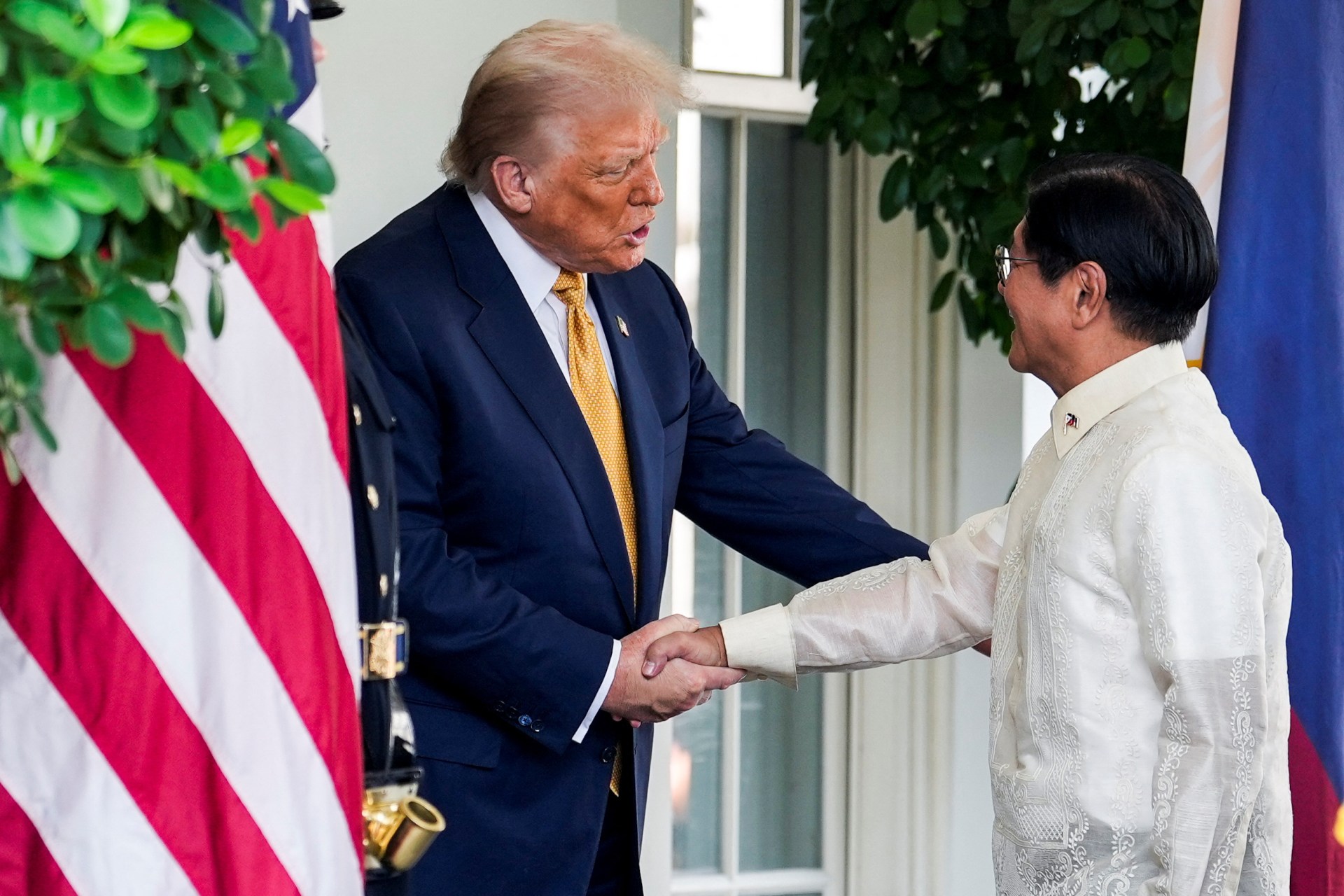
Indonesia’s deal comes just as the Philippines apparently secured an agreement with an equal tariff rate of 19 percent on exports to the United States, while removing all tariffs on American exports to the Philippines. (A joint statement has not yet been released by either Washington or Manila, as is now common with many of these “deals” that still lack actual signing or full details.) Washington has also supposedly promised even closer military cooperation with Manila as part of the deal, but details on what this collaboration will look like going forward remain scarce as well. While Philippine President Ferdinand Marcos Jr. emphasized the United States’ role as the Philippines’ “strongest, closest, most reliable ally,” his deal sparked significant anger in his own country, just as the Indonesia deal did. Most opinion leaders in the Philippines and much of the public see it as groveling to Washington. As one Filipino official close to the matter told Politico, “It is sad for the Philippines the [tariff] rate even went up—as an ally it is hard to take.”
Like Vietnam was told in an early, still unfinished agreement, Indonesia and the Philippines will face an additional 40 percent tariff on any exported goods that contain a “certain percentage” of components from nonmarket economics like China and Russia. As noted in an earlier post, Washington seeks to eliminate Beijing’s economic gains from trans-shipped goods throughout Southeast Asia, with the aim of eventually isolating China from global supply chains and reducing its exports.
We noted in a prior post: “President Donald Trump has vowed to enlist a wide range of partner countries to isolate China by reducing their dependence on Chinese exports, altering their supply chains to operate with Chinese influence in absentia, and placing their own tariffs on Chinese-made goods. Most recently, the president has also begun pressuring these partners to put an end to the practice of transshipment, whereby Chinese factories ship fully made goods or parts to an intermediate destination before exporting them to the United States to avoid tariffs.” Trump has pushed this idea of isolation with Europe, Northeast Asia, and other parts of the world. But the White House has most aggressively promoted this strategy in Southeast Asia, where a sizable amount of transshipment has occurred in recent years, in some part because the United States encouraged companies to move operations out of China and into other countries.”
Again, while Jakarta, Manila, and Tokyo have taken home what they portray as tariff “wins,” their deals are massively unpopular with their respective publics, raising questions about the strength of their governments as well as long-term domestic views of the United States. As their new agreements with Washington come into play, all three of these countries are also aggressively seeking deals with other regional powers and the EU. For now, however, China remains a dominant trade partner and source of goods in Southeast Asia—making it nearly impossible for states like Indonesia or the Philippines to isolate themselves from Beijing’s economic influence.